
How to Choose Bold, Colorful Streetwear as an Adult With ADHD
Start with one loud piece you love, check fit and fabric for comfort, then build

Turn all-over print pieces inside out, wash them in cold water on a gentle cycle with a small amount of mild, fragrance-free detergent, and skip fabric softener. Dry them on low heat or flat, and take them out while they are still slightly damp if you can. This keeps the dyes from fading and stops the fabric from turning stiff or scratchy.
Most color loss and stiffness come from three things: heat, friction and residue. Hot water and hot dryers break down dye and fibers. Rubbing against zippers, other clothes and the drum wall roughens the surface of the fabric, which is what you feel as scratchiness. Detergent and softener that never fully rinse out leave a film that makes fabric feel stiff and can irritate sensitive skin.
All-over prints cover the whole garment, so any wear shows more than it does on a plain shirt. A faded patch or a rough, pilled area breaks up the design. A little care at the wash stage protects both the look and the feel.
Check the care label first. It tells you the fiber and the temperature limits, and it overrides any general advice, including this post.
Air drying flat or on a hanger away from direct sun is the gentlest option. Strong sunlight can fade bright colors over time, so a shaded spot is better. If you use a dryer, choose low heat and remove the garment while it is just barely damp. Over-drying makes fabric harsh and can shrink cotton blends.
If a piece comes out a little stiff, shake it out and tumble it briefly on air-only with a clean, dry towel. That often relaxes the fibers without any chemicals.
Liquid softener and dryer sheets coat fibers. They feel soft at first, then build up, dull colors and can bother sensitive skin. A better routine is to use less detergent and add the extra rinse. Some people add a small splash of white vinegar to the rinse to cut residue. If you try it, use a small amount, and check the care label first.
| Step | Better choice | Avoid |
|---|---|---|
| Water temperature | Cold | Hot or warm |
| Garment position | Inside out | Right side out |
| Detergent | Small amount, mild, fragrance-free | Heavy dose, strong scents |
| Softener | None, or an extra rinse | Liquid softener, dryer sheets |
| Drying | Air dry or low heat, remove slightly damp | High heat, over-drying |
| Washing with | Other soft, similar colors | Denim, towels, zippers |
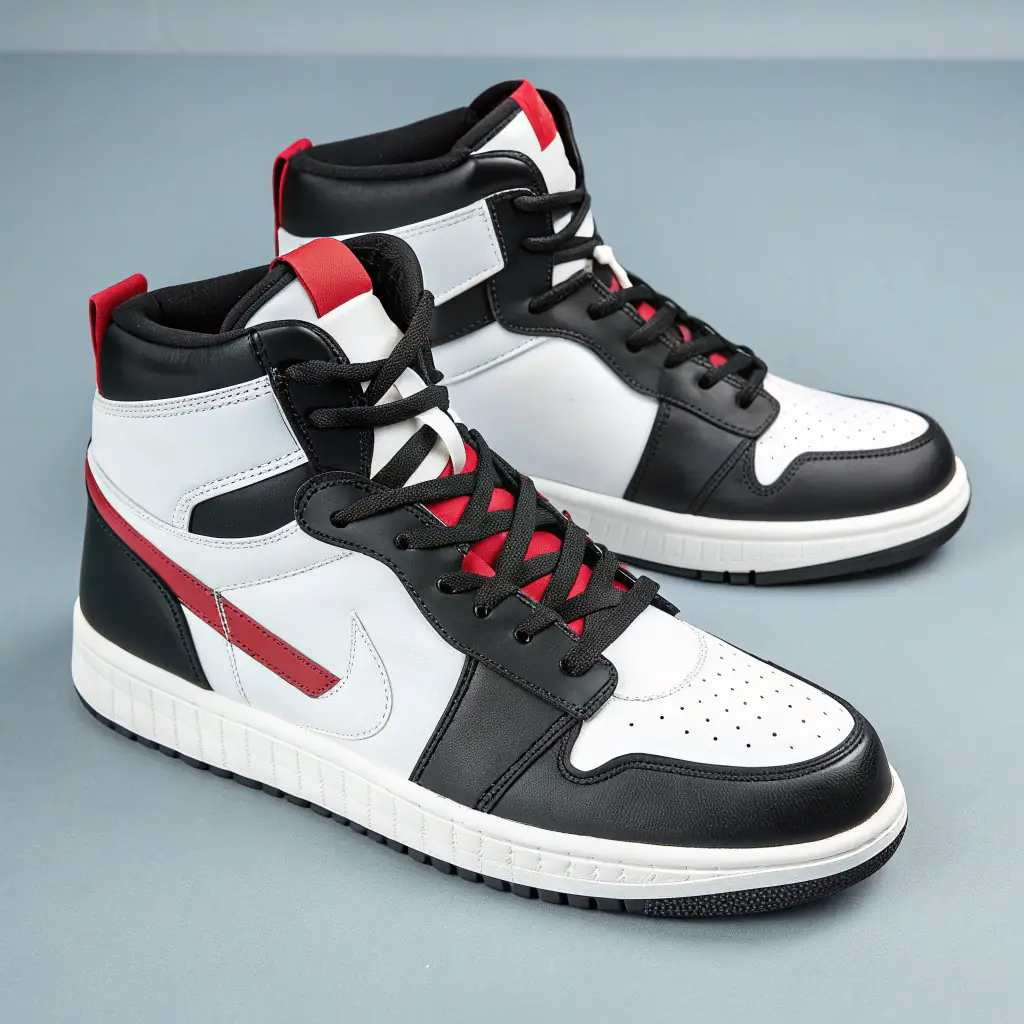
Fold knits such as tees and joggers rather than hanging them, since hangers can stretch the shoulders. Keep bright prints out of direct light in your closet. For caps, avoid machine washing. Spot clean with a damp cloth and mild soap, then let the cap air dry in shape. Sneakers should be cleaned by hand with a soft brush and cool water, then left to air dry, away from heaters.
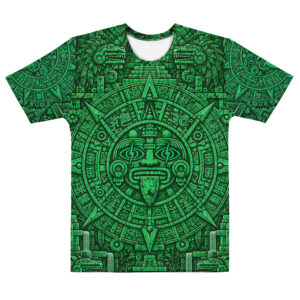
Pieces this guide applies to include the Midnight Temple cotton AOP t-shirt and the Midnight Temple All-over Print Snapback Cap. Always follow the care label on the item itself. More in DoperMeans apparel.

DoperMeans is an online streetwear brand making bold, colorful fashion for ADHD and neurodivergent adults. The range includes graphic tees, all-over print apparel, jackets, shorts, caps, sneakers and a backpack with distinctive designs and limited collections. If you want vivid prints and plan to care for them using the steps above, it is one place worth browsing.
Yes, on low heat, and ideally only until the garment is slightly damp. Air drying is gentler. Always check the care label first.
Usually it is detergent or softener residue, or over-drying. Use less detergent, skip softener, add an extra rinse and remove clothes from the dryer sooner.
Yes. It moves most of the friction onto the inside of the garment, so the printed surface stays smoother and brighter for longer.
Wash them when they are dirty or sweaty, not automatically after every wear. Fewer washes means less fading and less wear on the fabric.
Start with one loud piece you love, check fit and fabric for comfort, then build
Pick one loud piece as the hero, repeat a color across print and sneakers, and
Measure one garment you own, compare it to the size chart, check fabric and fit