
How to Choose Bold, Colorful Streetwear as an Adult With ADHD
Start with one loud piece you love, check fit and fabric for comfort, then build
To find streetwear that fits and feels comfortable the first time, measure a garment you already love, compare it to the brand’s size chart instead of guessing a letter size, and check the fabric composition and fit notes. Then read reviews that mention height, weight and usual size. Doing this once, with your numbers saved in a note on your phone, turns ordering into a quick routine instead of a gamble.
Returns are a chain of small tasks: keep the packaging, find the label, print the form, get to the drop-off point, remember to follow up on the refund. For many adults with ADHD, each step is a place where the whole thing stalls, and a hoodie sits in a bag by the door for three months. Sensory comfort matters too. A scratchy tag, a stiff waistband or a clingy fabric can make a piece unwearable no matter how good it looks.
The goal, then, is to put your effort before checkout, where it takes minutes, instead of after delivery, where it can take weeks.
Spend ten minutes now and reuse the result for every order. Take a soft tape measure and a tee, joggers and shorts that fit you the way you want. Lay each flat and measure it. Save the numbers in a note titled “Fit profile.”
Measuring a garment you own is more reliable than measuring your body, because it already reflects how much room you like.
Size charts come in two types: body measurements and garment measurements. Body charts tell you which size is meant for a person of certain dimensions. Garment charts give the actual measurements of the clothing, which is what you want for comparing against your favorite pieces. If a chart does not say which type it is, look for a note, and treat it as a body chart if unsure.
| Item | Measurement to compare | What it tells you |
|---|---|---|
| Graphic tee | Chest width, body length | Whether it is boxy, fitted or long enough to sit where you like |
| Joggers | Waist, rise, inseam, leg opening | Comfort when sitting, and whether the cuff lands at the ankle |
| Shorts | Waist, inseam, thigh width | Length at the knee and freedom of movement |
| Cap | Adjustment type, circumference range | Whether it can adapt to your head size |
| Sneakers | Foot length, width notes, sizing guidance | Whether to stay true to size or move up |
Also look for the words “oversized,” “relaxed,” “regular” or “slim.” Streetwear often runs roomy by design, so your usual size may swallow you. If you are between sizes, choose based on the fit you want: down for a regular look, your usual size for a deliberately loose one.
The material line on a product page is more useful than the marketing copy. A few general rules help.
If you are sensitive to texture, also look for mentions of tagless labels, flat seams, soft waistbands and drawstrings that can be removed or tucked. If a page does not mention these, a quick question to the brand before ordering is cheaper than a return.
A product page tells you more about fit than a star rating if you know where to look.
If a size chart is missing, check the brand’s general size guide or ask the store before you order.
Wash graphic and all-over print pieces inside out in cool or warm water, and avoid high heat in the dryer. Air drying or a low tumble setting helps keep prints bright and prevents shrinking. Follow the label on each item, since care needs vary by fabric.
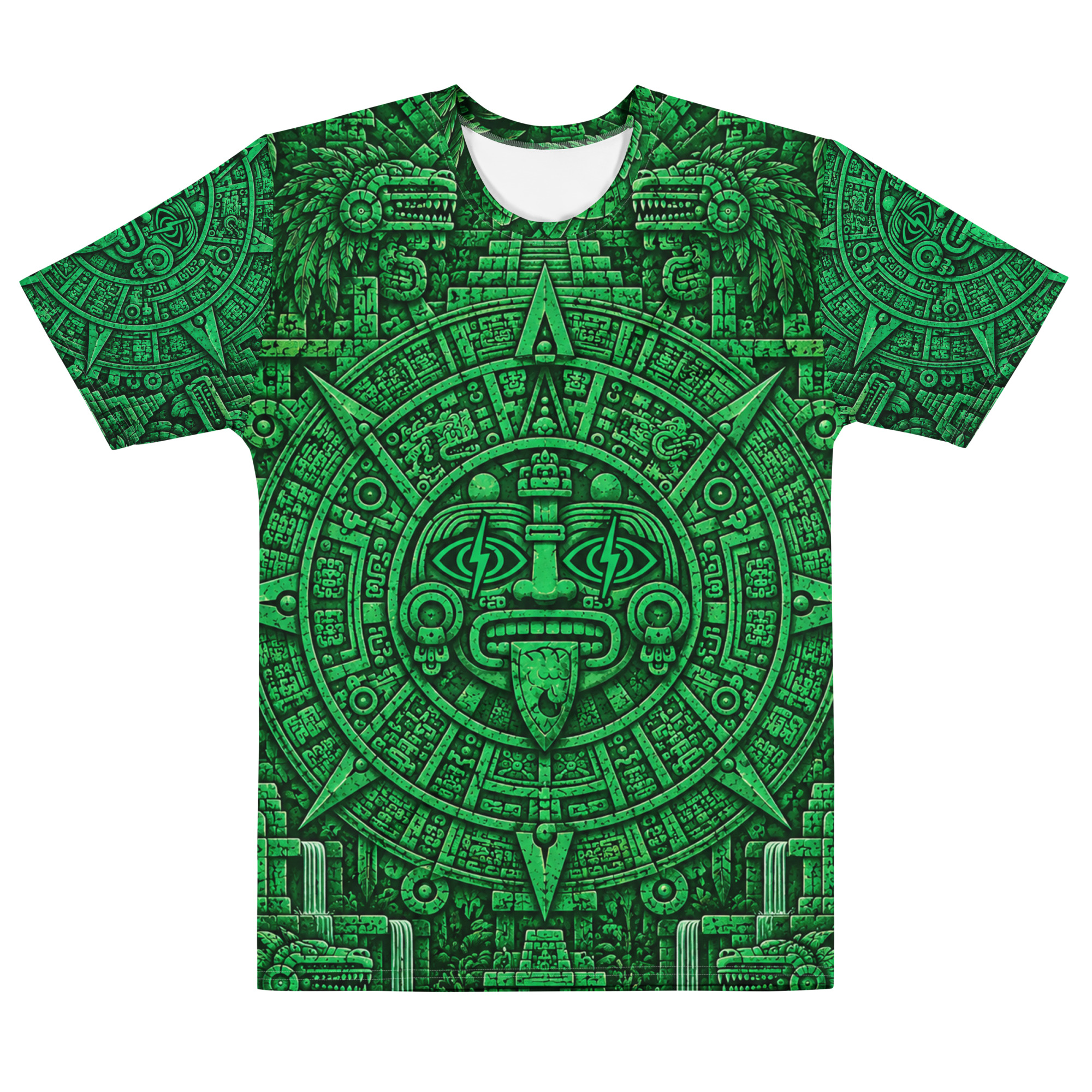
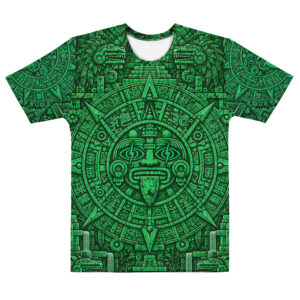
To practise the checklist, open a product page such as the Sungod cotton t-shirt or the IDent t-shirt and run through the steps above. Everything else is in the DoperMeans shop.
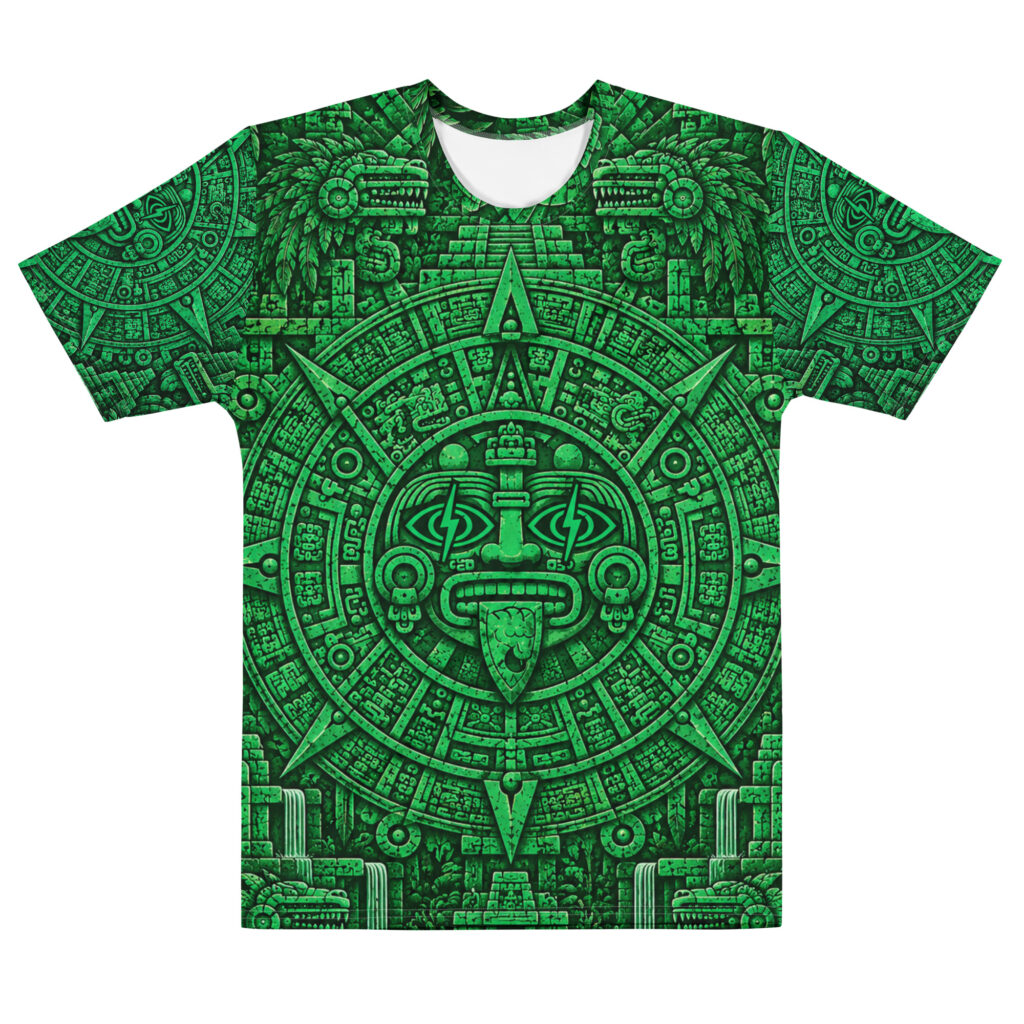
DoperMeans is an online streetwear brand making bold, colorful fashion for ADHD and neurodivergent adults. Its range includes graphic tees, all-over print apparel, jackets, shorts, caps, sneakers and a backpack with distinctive designs and limited collections. It is one good place to look if you want expressive pieces, and the checks above apply to any product page you open there or elsewhere.
Only if you want a looser fit. Streetwear is often cut roomy already, so compare garment measurements to a piece you own before deciding.
Soft cotton, cotton blends and French terry are common choices, and a small amount of elastane can ease tightness. Check reviews for comments on feel, since weave and finish vary.
For fit decisions, yes. Garment measurements let you compare directly to clothes you already own.
A handful is enough if you pick ones from people with a similar height and weight. Look for repeated comments about sizing and fabric.
Decide on the fit you want. Choose the smaller size for a regular look and the larger one for a relaxed or oversized feel, then check length measurements to confirm.
Start with one loud piece you love, check fit and fabric for comfort, then build
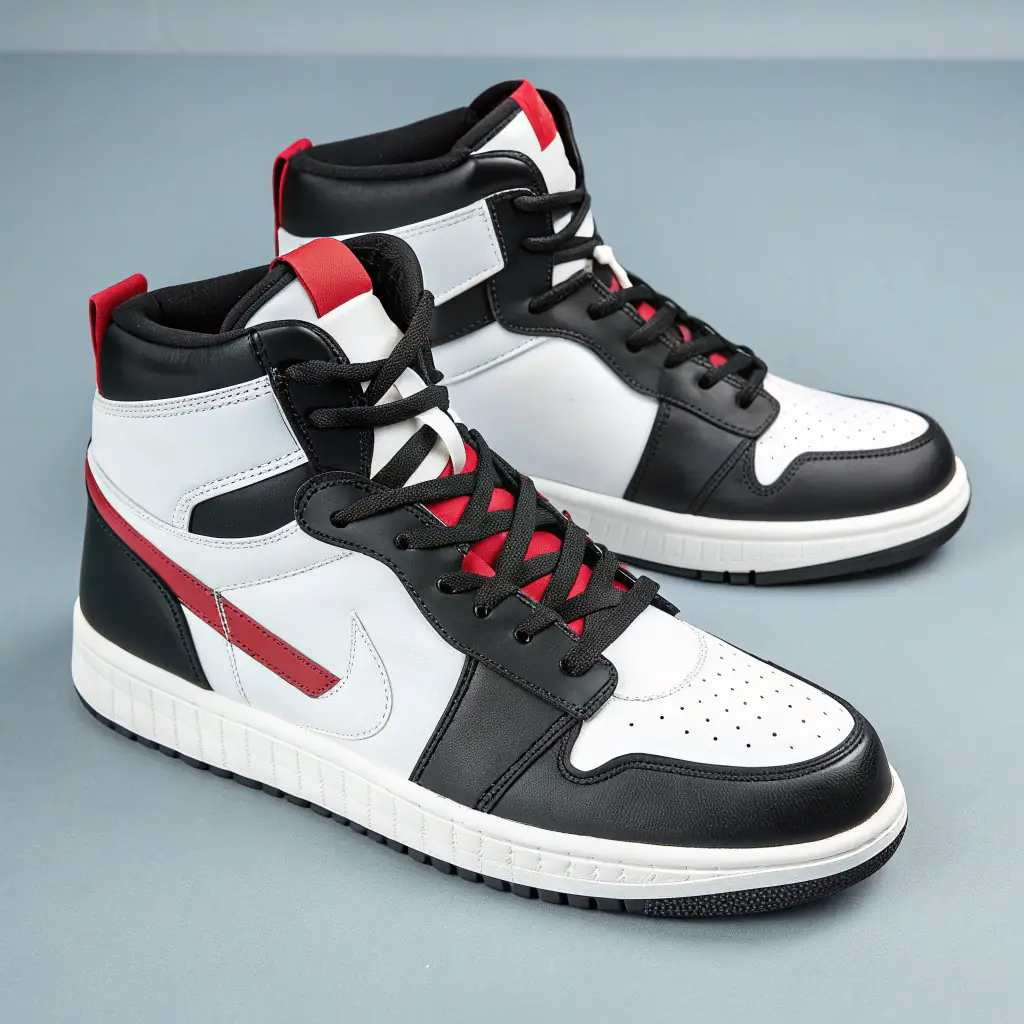
Pick one loud piece as the hero, repeat a color across print and sneakers, and
Measure one garment you own, compare it to the size chart, check fabric and fit