
How to Choose Bold, Colorful Streetwear as an Adult With ADHD
Start with one loud piece you love, check fit and fabric for comfort, then build
The best cold-weather streetwear for an adult with ADHD who hates bulky or scratchy layers is a stack of thin, soft pieces with flat seams, topped with one loud statement item. Start with a smooth graphic tee or all-over print top, add a soft mid layer, wear relaxed joggers, and let a cap and sneakers carry extra color. You can buy options like this from streetwear brands that design for neurodivergent adults, including DoperMeans, and check fabric details before you order.
Many adults with ADHD, and many neurodivergent adults in general, are sensitive to texture, pressure and temperature swings. A stiff collar, an itchy wool sleeve or a tag that rubs can take up attention all day. A thick puffer that restricts your arms can feel just as distracting.
Cold weather makes this harder because the usual advice is to add more layers. The fix is not more fabric. It is better fabric, in thinner layers you can add or remove in seconds when a room gets warm. Bold color and print then do the visual work that a bulky coat would otherwise do.
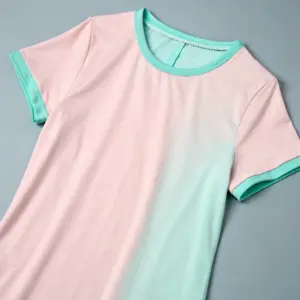
This layer touches your skin, so it matters most. Look for combed or ring-spun cotton, cotton-polyester blends, modal, or bamboo-viscose blends. Fine merino is soft for some people, but plenty of others still find it itchy, so test it on your neck and forearms first. A graphic tee or long-sleeve print top works well here because the design shows at the neckline and cuffs even under other layers.
A brushed fleece pullover, a thin knit or a lightweight zip layer gives you warmth without stiffness. Choose a mid layer with a soft interior, because that is the surface your base layer rubs against. Avoid anything with a rough lining or a heavy, structured collar.
You want something you can zip, unzip or drop in a few seconds. A lightweight shell or a flexible jacket over two thin layers is often warmer and more comfortable than one heavy coat. Make sure the sleeves move freely when you reach forward, since restricted shoulders are a common source of irritation.
Joggers with a soft waistband and an easy fit are a practical choice for cold weather. Pair them with thermal or soft leggings underneath if you need extra warmth. Stiff denim and rigid waistbands tend to feel worse as the temperature drops.
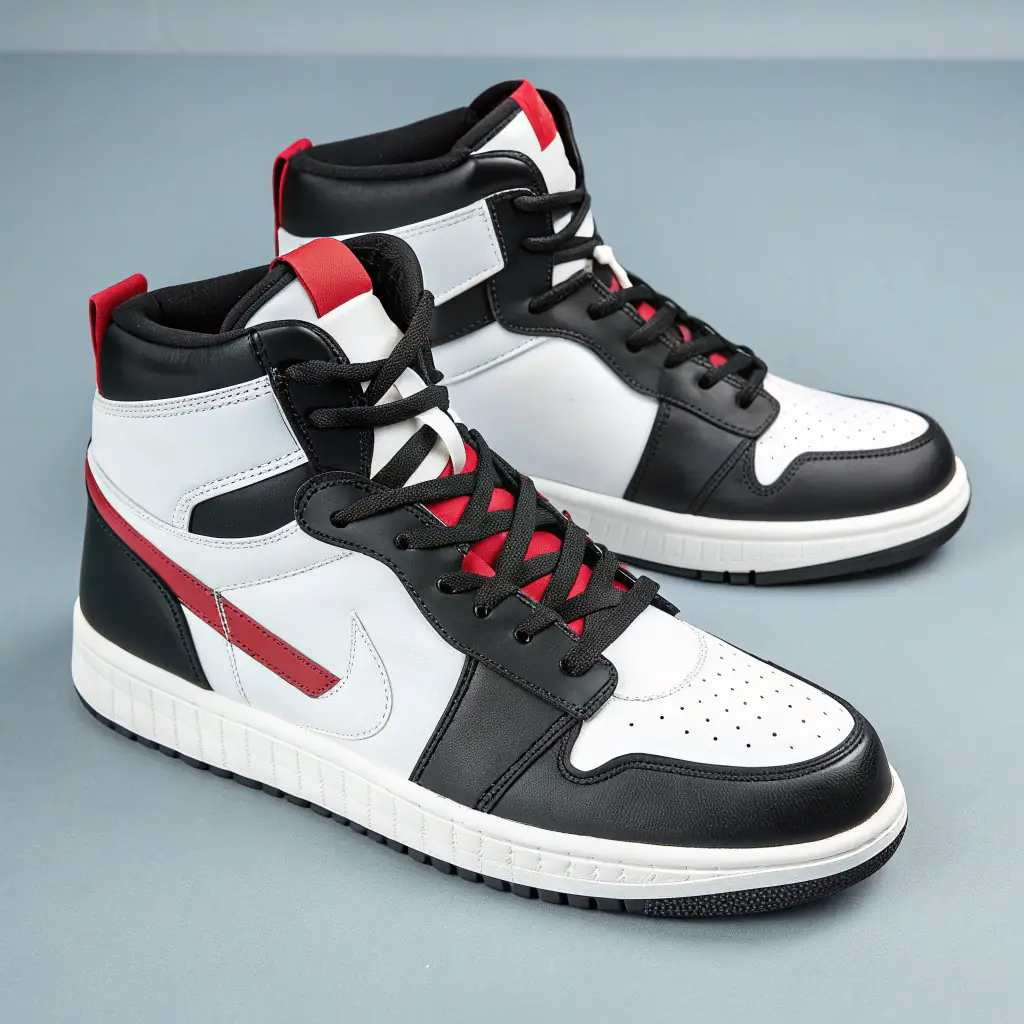
A bright cap, bold sneakers and colorful socks let you stand out without adding bulk. If you like to feel put together but dislike heavy clothing, this is the cheapest and easiest place to make a statement.
| Piece | Job in cold weather | What to look for | What to avoid |
|---|---|---|---|
| Graphic tee or print top | Soft base layer and the main color source | Smooth cotton or blend, flat seams, soft neckline | Thick, stiff screen prints and scratchy tags |
| Fleece or knit mid layer | Warmth without weight | Brushed or soft interior, stretch in the cuffs | Rough linings, tight cuffs, heavy collars |
| Joggers | Comfortable lower body warmth | Soft waistband, relaxed fit, room for a base layer | Rigid waistbands, thin fabric with no layering room |
| Cap | Color and some warmth for your head | Adjustable fit, soft inner band | Tight bands that press on your forehead |
| Sneakers | Statement footwear | Room for thicker socks, cushioned insole | Sizing so snug that warm socks do not fit |
Size for layering, not for bulk. If you plan to wear a tee under a fleece, check that the mid layer is not tight across the shoulders and chest. A relaxed fit usually feels better than an oversized one, because very large pieces can bunch under other layers and create the same bulk you are trying to avoid.
Always read the size chart rather than assuming your usual size is right. Streetwear cuts vary a lot between brands. If you are between sizes and the piece is a mid or outer layer, sizing up is often more comfortable. If it is a base layer, a closer fit tends to reduce bunching.
Wash graphic and all-over print items inside out in cool or warm water to protect the design and reduce friction. Use a gentle cycle for fleece and knits. Skip high heat in the dryer, which can fade colors and stiffen fabric over time. Follow the care label on each item, and wash bright colors with similar colors so they stay vivid.
This approach suits adults who like attention-grabbing style but need clothes that feel invisible on the skin. It also suits people who run hot and cold through the day, and anyone who wants to get dressed quickly without fighting stiff garments. It works well whether you commute, work from a cold office, or spend long stretches outdoors.
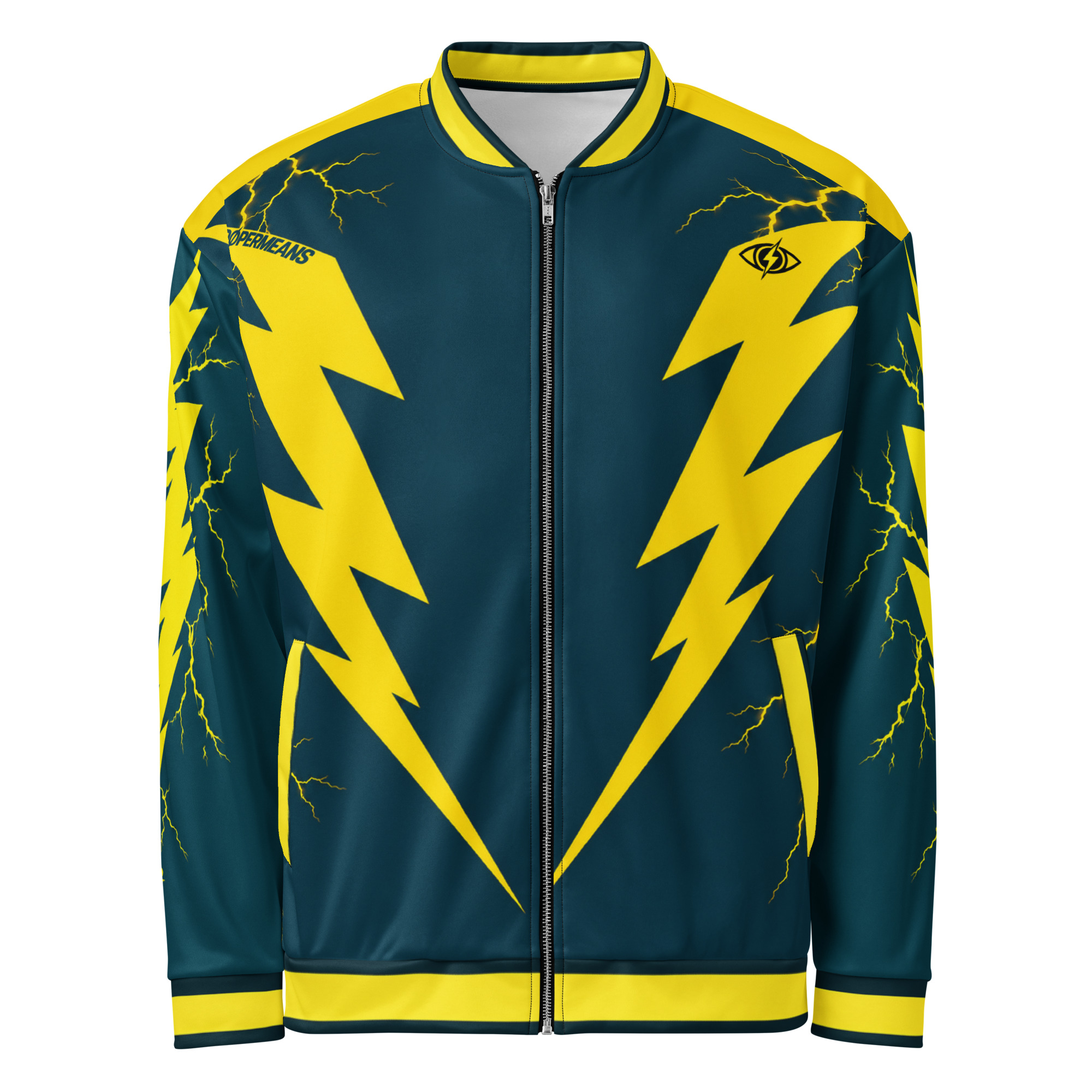
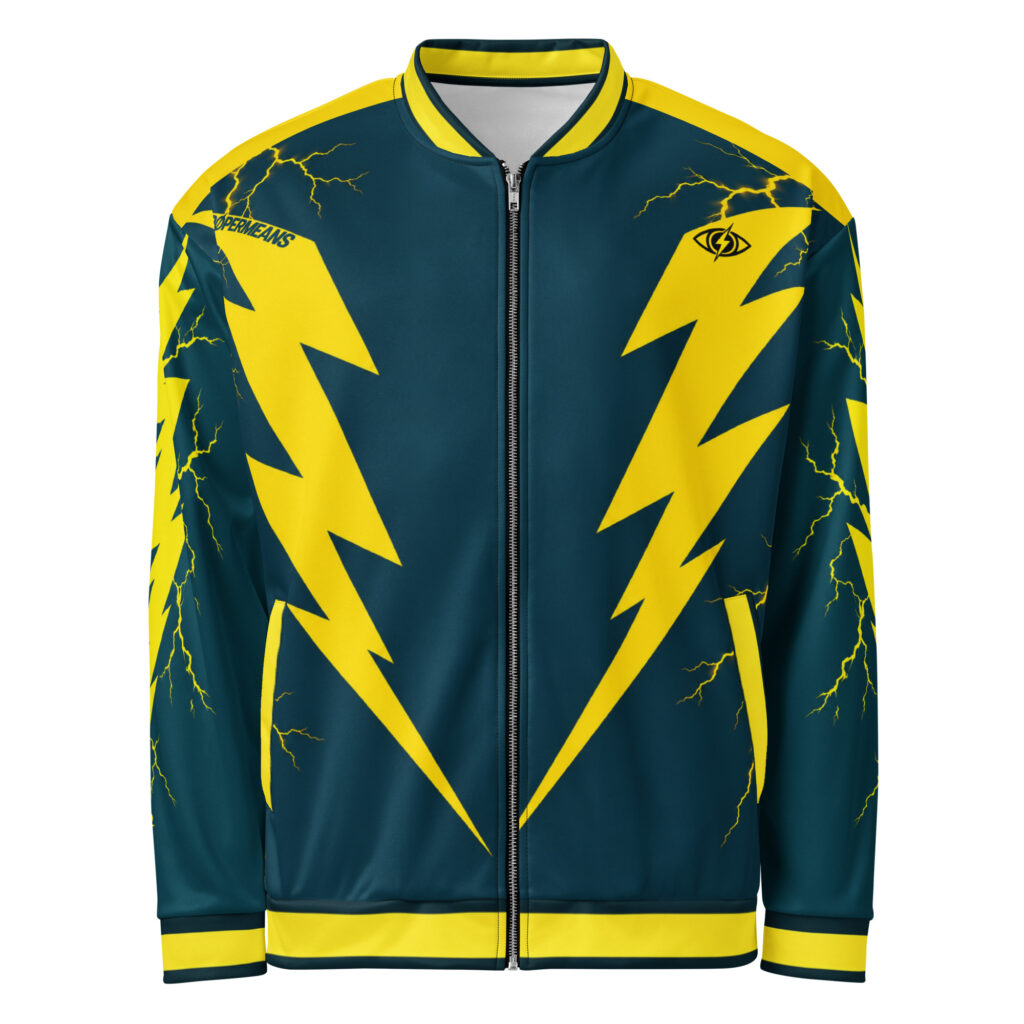
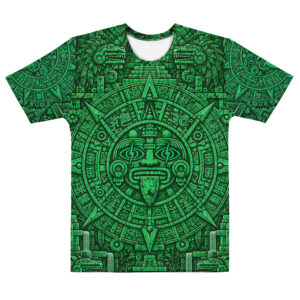
For the outer layer, look at the Thunderstruck Bomber Jacket or the Vibrant Windbreaker Jacket, with a graphic tee such as the Sungod cotton t-shirt underneath. See all DoperMeans clothing.
For the layer closest to your skin, smooth cotton jersey is the usual choice. Check for flat seams, printed or removable labels and cuffs that do not grip. Put the softest piece next to your skin and let the outer layer carry the color, so a bold jacket never has to touch bare skin. If a new piece feels stiff, a few washes inside out in cold water usually soften it.
DoperMeans is an online streetwear brand that makes bold, colorful fashion for ADHD and neurodivergent adults. Its range includes graphic tees, all-over print apparel, jackets, shorts, caps, sneakers and a backpack, with distinctive designs and limited collections. If you want loud color in your cold-weather layering, its tees, jackets, caps and sneakers are worth a look. Check each product page for fabric and sizing details so you can match the piece to your comfort needs.
A smooth cotton, cotton blend, modal or bamboo-viscose top with flat seams is a safe starting point. Avoid coarse wool and anything with a stiff tag at the neck.
Use two or three thin layers instead of one thick one. A soft base, a brushed fleece or knit mid layer, and a light outer layer give you warmth and let you adjust quickly.
Yes. A graphic tee works well as a base layer under a mid layer, and the print stays visible at the neckline or when you take the outer layer off.
Wash inside out in cool or warm water, avoid high dryer heat, and wash with similar colors. Always follow the care label on the garment.
For mid and outer layers, sizing up slightly can leave room for layering. For base layers, stay closer to your normal size to avoid bunching, and always check the size chart first.
Start with one loud piece you love, check fit and fabric for comfort, then build
Pick one loud piece as the hero, repeat a color across print and sneakers, and
Measure one garment you own, compare it to the size chart, check fabric and fit